
While landscaping maintenance improves your community’s curb appeal and appearance, it also plays a big role in liability and safety. When trees, bushes, and vegetation are not properly maintained, it can create hazards that lead to injuries and property damage that you could be held liable for. Taking proactive steps and keeping up with your manufactured home community landscaping can help you lower your liability and protect your community and residents.
Why Manufactured Home Community Landscaping is Important
Neglected vegetation and landscaping can quickly turn into lawsuits and insurance claims. If a resident or visitor is injured on your property due to neglected landscaping, you could be held liable for the medical bills. The same goes for property damage due to neglected landscaping. Your community’s landscaping directly impacts the residents’ safety, the condition of your property, visibility through the community, and more.
Common Landscaping Issues & Liability
Overgrown Trees & Branches
If a branch falls and hits a home, person, or vehicle, you could be held liable for the damage. Even if the branch is knocked down because of a storm, you could still be financially responsible if it’s found that the trees and branches were overgrown and/or neglected.
All resident complaints about dying, dead, or leaning trees should be investigated and documented. If the tree is determined to be dangerous by park management, the park should pay to remove it. If it isn’t, and the tenant still wants it removed, we recommend offering to pay half the cost and the tenant the other half. Documenting all of this is critical.
Visibility Issues
Overgrown bushes, trees, and brush can block signs and increase the risk of vehicle accidents. The vegetation can also provide hiding spots for criminals and reduce the likelihood of them being caught by law enforcement.
Tripping Hazards
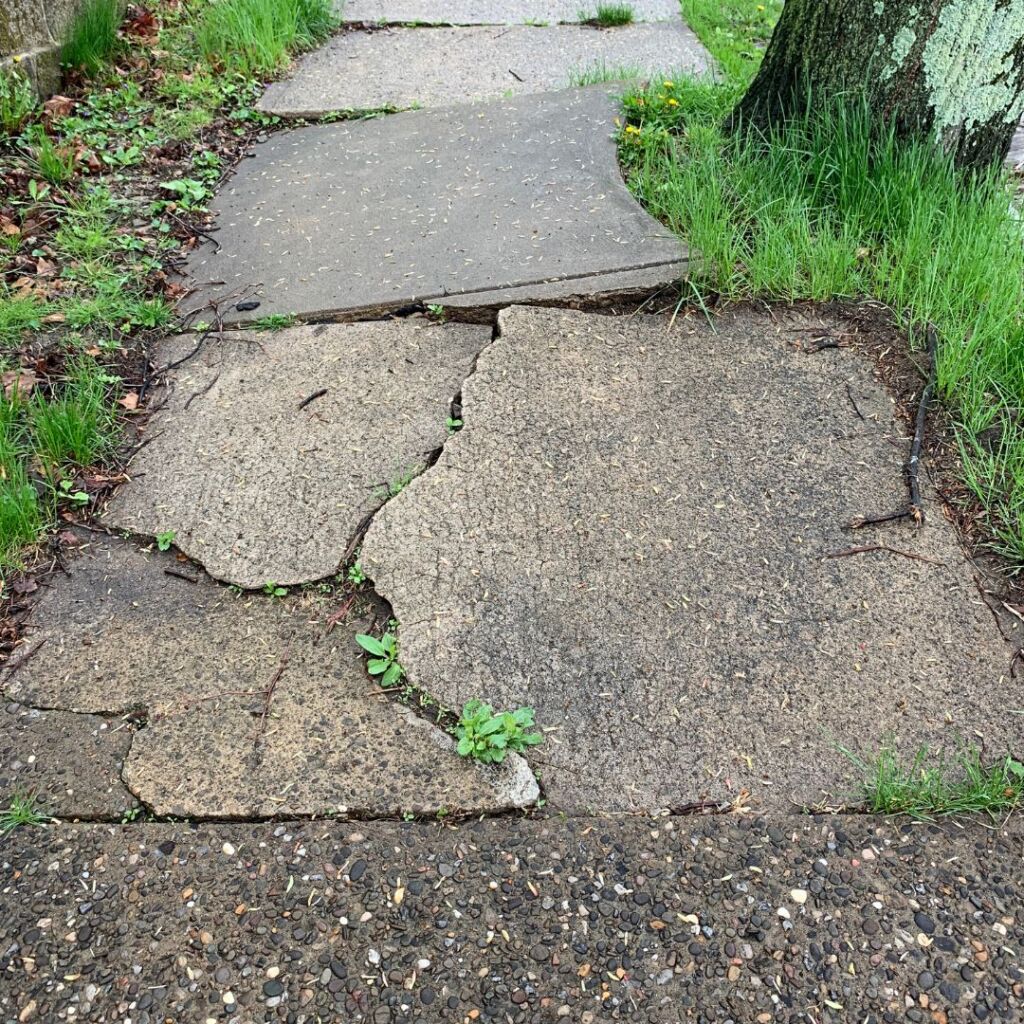
Roots can crack your sidewalks, making them uneven and creating a tripping hazard. Algae, moss, and wet leaves can also become slipping hazards that could lead to injuries. You could be held liable for these slip and fall accidents and be required to pay medical bills.
Drainage Issues
Many drainage issues can be tied back to poor or neglected landscaping practices. Leaves and debris can clog drains, leading to standing, stagnant water or flooding, both of which are hazards for the community.
Learn more about common drainage issues in manufactured home communities in this blog.
Manufactured Home Community Landscaping Tips
Tree Maintenance
Create a regular tree maintenance schedule that includes trimming overhanging branches, removing dead branches, and checking the trees’ overall health. Always pay close attention to trees near homes, power lines, and roads. If you live in a region that experiences hurricanes, tornadoes, or any type of storm season, always inspect the trees before the start of the storm season as part of your storm prep.
Other Vegetation
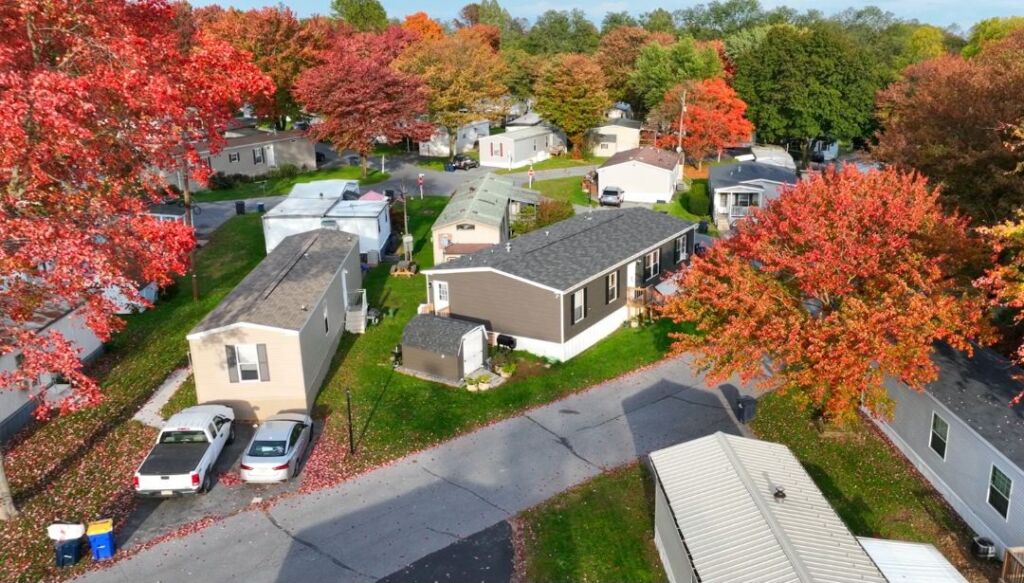
Keep other vegetation, like shrubs, grass, and bushes, regularly trimmed and maintained, especially around the entrance, around signs, and the roads. In the fall, keep sideways clear of leaves and rake or gather leaves to prevent accumulation and blocked drains.
Hire Qualified Insurance Professionals
If you need to hire outside contractors for any landscaping or maintenance, always check their credentials and insurance. Contractors should show proof of workers’ compensation and general liability insurance. Without this, you could be liable for any accidents, even if they are responsible. You could also end up owing money at the end of the year due to policy term audits. NPS and Alex Ostrum are very good with tree management 231-736-9481
Learn more about hiring a subcontractor in this blog.
Learn more about Workers’ Compensation insurance and contractors in this blog.
For more tips on managing your manufactured home community and reducing risks, visit our resources page here and learn more in our blog here.