
Minor maintenance issues can become big liability risks when improper drainage isn’t addressed. These might just seem like small aesthetic problems, but after a big storm, they can lead to insurance claims. Understanding how manufactured home community drainage issues impact your liability as a community owner is essential to protecting your community and your property.
What are Common Drainage Issues at Manufactured Home Communities?
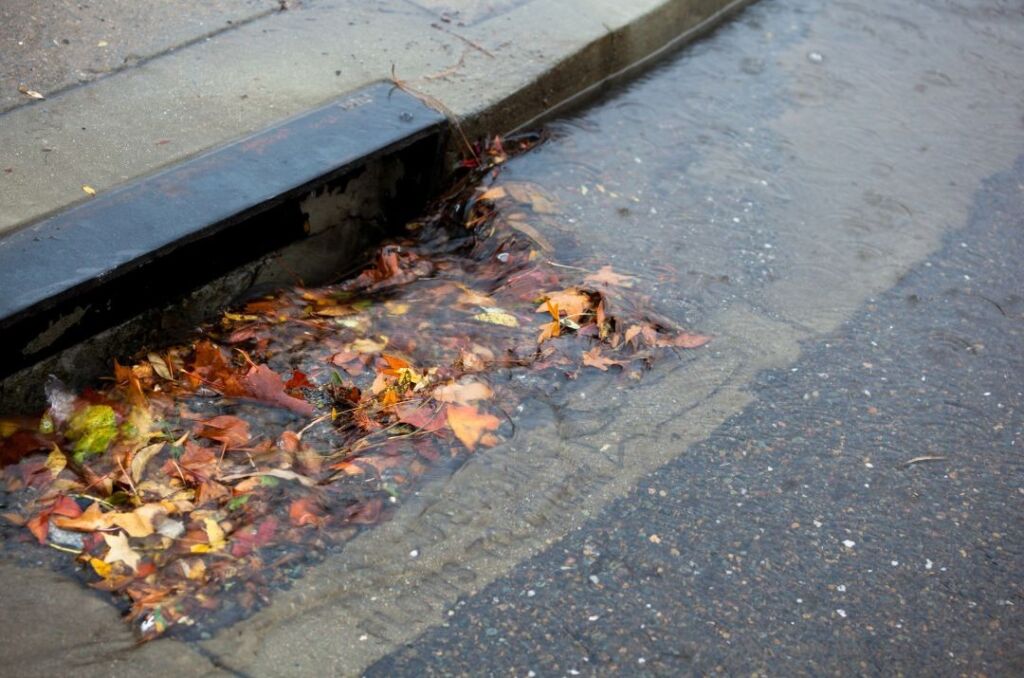
Blocked Drains and drainage ditches: Leaves, trash, sediment, and other debris can build up in your drains and drainage ditches. This can reduce and redirect the water flow, causing it to back up into streets, walkways, and lots. Even small obstructions can become major flooding issues during a storm. A few inches of water in a home or building causes thousands in water damage.
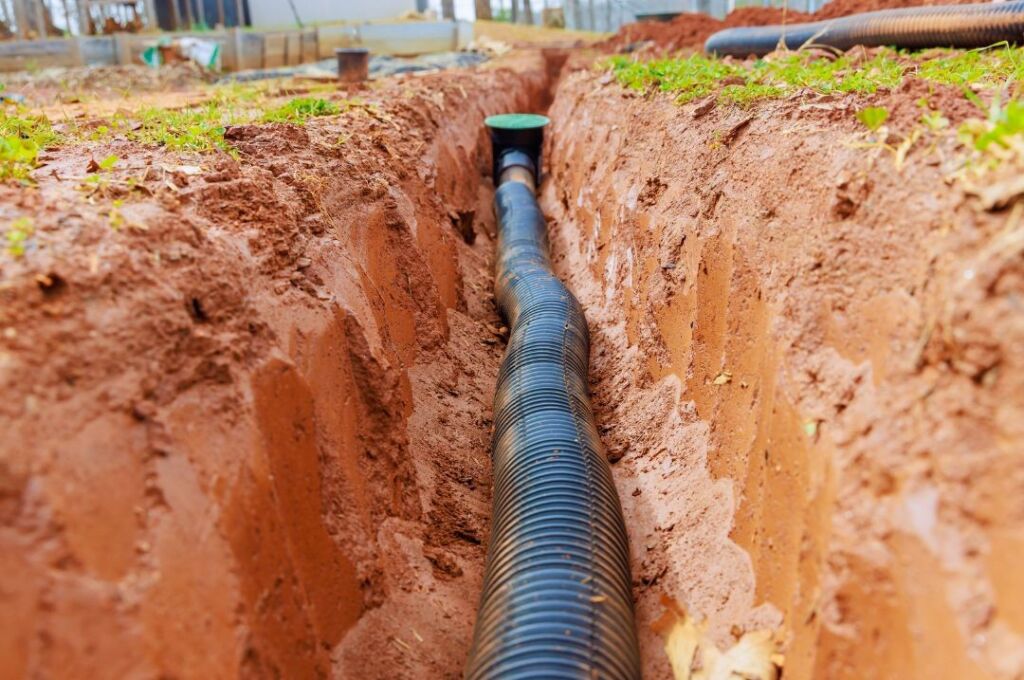
Aging Systems: Many older communities are equipped with damaged, outdated, and/or undersized drainage systems. These systems may struggle to manage the runoff effectively. Check yours periodically.
Poor Grading: Grading is the process of reshaping and building up the land so that the water flows away from the homes and buildings. Improper grading, either from poor construction or land settling and erosion, can cause water to pool around the foundations, skirting, and utility connections. It can also improperly redirect flows onto neighboring property and create a large liability.
Damaged Culverts/Ditches: These are essential components of your drainage systems. When a culvert collapses or a ditch is blocked, water can no longer flow out of the community. This can lead to flooding and road erosion. Promptly remove any trees that fall into and obstruct drainage ditches.
How Does Manufactured Home Community Drainage Issues Increase Your Liability?
Property Damage: If the drainage issues are severe enough, they could cause property damage by flooding homes or vehicles. This could be from issues such as blocked drains backing up and causing flooding in the homes, or improper grading causing pooling water around cars and houses. If a resident believes that it was due to neglected drainage systems or infrastructure, they may seek compensation from you as the community owner.
Roadway Hazards: Extreme flooding can cause roadway washouts and create potholes. This can lead to vehicle damage and accidents. You could be held liable for damages or injuries if it’s shown that proper maintenance was neglected or inspections were not performed.
Slips & Falls: Standing water can make sidewalks muddy, cause algae to grow on paths, and make wet surfaces extra slippery in general. A community owner could be held responsible for damages and medical expenses in these cases. Dirt and mud left on walkways after a heavy rain should be removed promptly.
Health Concerns: Slips and falls aren’t the only health hazards associated with drainage issues. Standing water can also lead to unsanitary conditions, such as mold growth and mosquito infestations. If a moisture problem leads to health complaints and it can be traced back to unresolved drainage issues, this could increase your liability risks, especially if complaints were previously reported.
Proactive Maintenance for Manufactured Home Community Drainage Systems
- Perform regular drainage inspections
- Schedule clearing ditches and culverts, and inspect them for damage
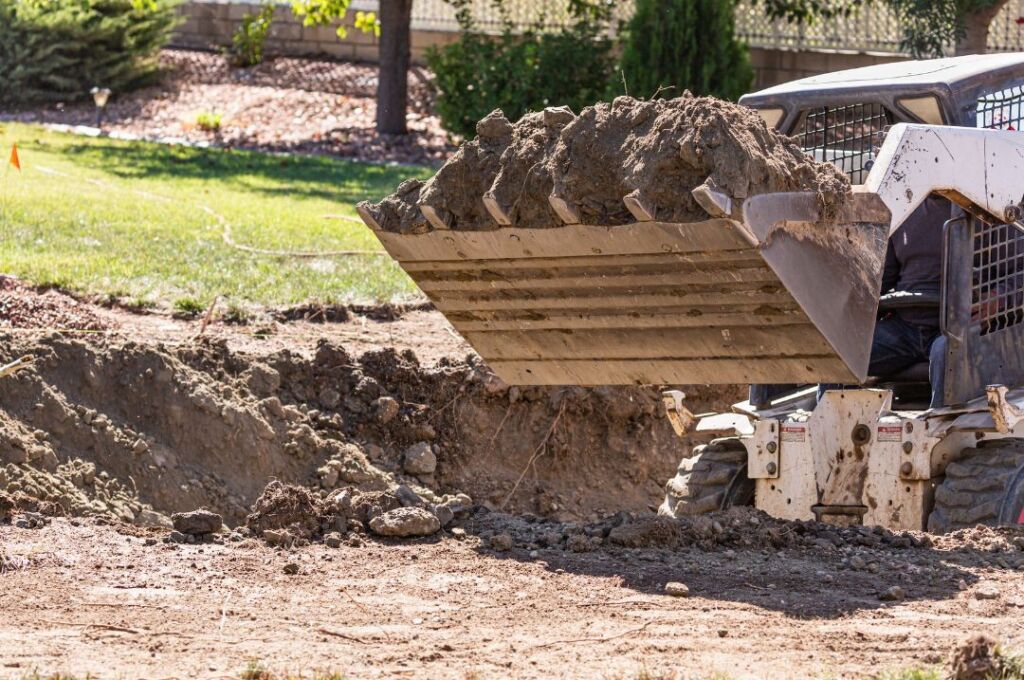
- Regrade damaged and problem areas as needed
- Upgrade aging or damaged stormwater systems
- Keep a maintenance log
- Encourage your residents to report any drainage issues and concerns, and keep a record of their reports
For more tips on managing your manufactured home community and reducing risks, visit our resources page here and learn more in our blog here.