
Now that summer is here and your residents are fully utilizing the community pool, keeping up with maintenance is crucial to keeping your residents safe and reducing risks. While a pool can be a wonderful community amenity and a great draw for new tenants, without the proper precautions and maintenance, it can quickly become a huge liability. Pool maintenance at your manufactured home community can help reduce this liability and protect your investment.
Pool Maintenance and Reducing Liability Risks
There are many accidents that can happen when your pool’s maintenance isn’t kept up to date. You could be held financially liable for these if it’s found that the accident was caused by a lack of or neglect of operations, physical conditions or maintenance.
Resident Satisfaction
A community pool can be a big draw for many people. If they aren’t able to use it because it is dirty or not maintained properly, this can cause your residents’ satisfaction to decrease. This could lead to fewer referrals and reduced long-term resident retention.
Tips for Pool Maintenance
Maintain Pool Chemistry – Without the proper chlorine and pH levels, the water can harbor bacteria and other harmful microorganisms. The wrong levels can also cause skin irritation and unsafe swimming conditions. Murky water is a huge liability as a guardian may not see a child underwater. Regularly test the water chemistry to ensure levels are properly balanced. Many local health departments require the water to be tested at least once a day and for the levels to be logged. Check your local ordinance for your specific requirements.
Keep the Pool Clean – Regularly clean the pool and the area around the pool. By removing debris, you can help prevent pool equipment from becoming damaged. This can also help prevent slip-and-fall accidents and eliminate other safety hazards. Keeping the pool area clean also enhances the property’s curb appeal, attracting more tenants and keeping your current residents happy.
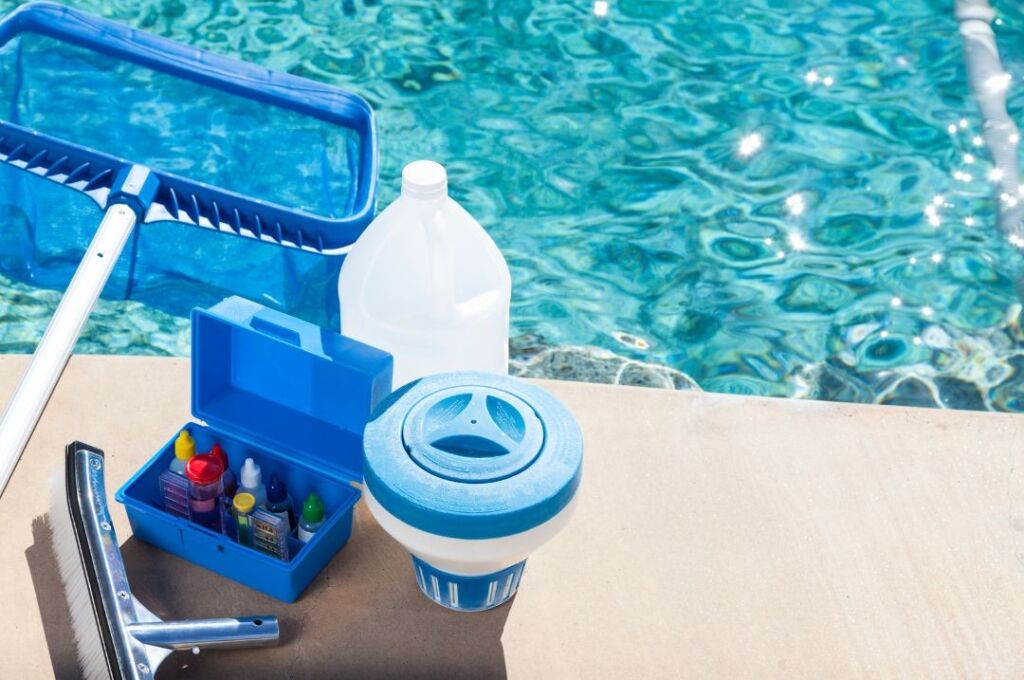
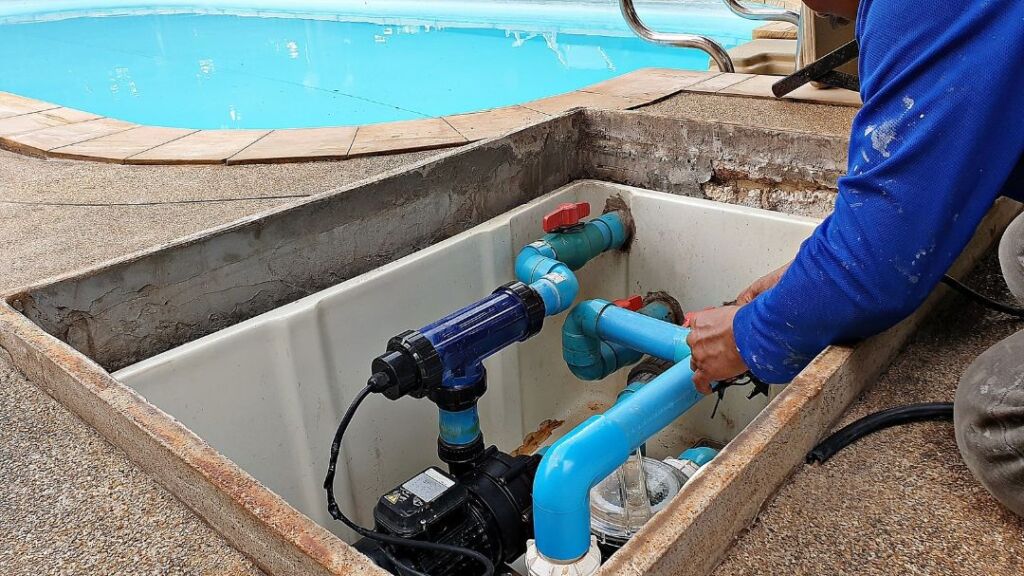
Pool Equipment Maintenance – Ensure that pool equipment is routinely inspected and cleaned. This includes pumps, filters, baskets, plumbing, and skimmers. This will help keep the pool clean and well-maintained, as well as extend the life of the pool equipment and reduce costly repairs.
Pool Decking – Apply an anti-slip coating to the concrete surrounding the pool and repair cracked or uneven pavement as needed to help prevent slip and fall accidents.
Inspect Emergency Equipment – Regularly check that safety and emergency equipment is visible and in good working order. This usually includes life rings, rescue hooks, first aid kits, and emergency phones.
Replace Signage when Needed – If the pool rules and safety information signage is damaged or worn, replace it as soon as possible. Ensuring that this signage is posted can help protect your business from costly lawsuits by showing that you have demonstrated due diligence by warning residents of safety requirements.
Repair Fencing and Gates as Needed – Whether it’s from storm damage or just a rusty gate that is aging, fencing, gates, and latches should be regularly inspected and repaired or replaced. The gate must be self closing and self locking. The gate and the fence MUST be built to prevent an unescorted child from gaining access.
Encourage Residents to ‘See Something, Say Something’ – While you and your team are regularly inspecting the pool and property, your residents are regularly using it. They could catch something you or your team missed. Encourage residents to report any maintenance issues, damage, or amenity misuse, and keep a record of the submissions and how it was handled.
Create a Maintenance Schedule – Staying organized and proactive is the best way to manage your community’s maintenance. Create maintenance logs for daily, weekly, and monthly pool maintenance activities and have your staff sign off when they complete a task.
For more tips on managing your manufactured home community and reducing risks, visit our resources page here and learn more in our blog here.